

Gum disease is one of the most common dental conditions in adults — and one of the most underdiagnosed. Because it progresses slowly and often without pain in its early stages, many people don’t realize they have it until significant damage has already occurred. At Heart of Hingham Dental Aesthetics, gum disease treatment is a priority at every stage, from the first signs of gingivitis to more advanced periodontitis that requires deeper intervention. Dr. Sandhu takes a thorough, evidence-based approach to periodontal care — and the calm, unhurried environment at the practice makes it easier for patients who have been avoiding this conversation to finally have it.
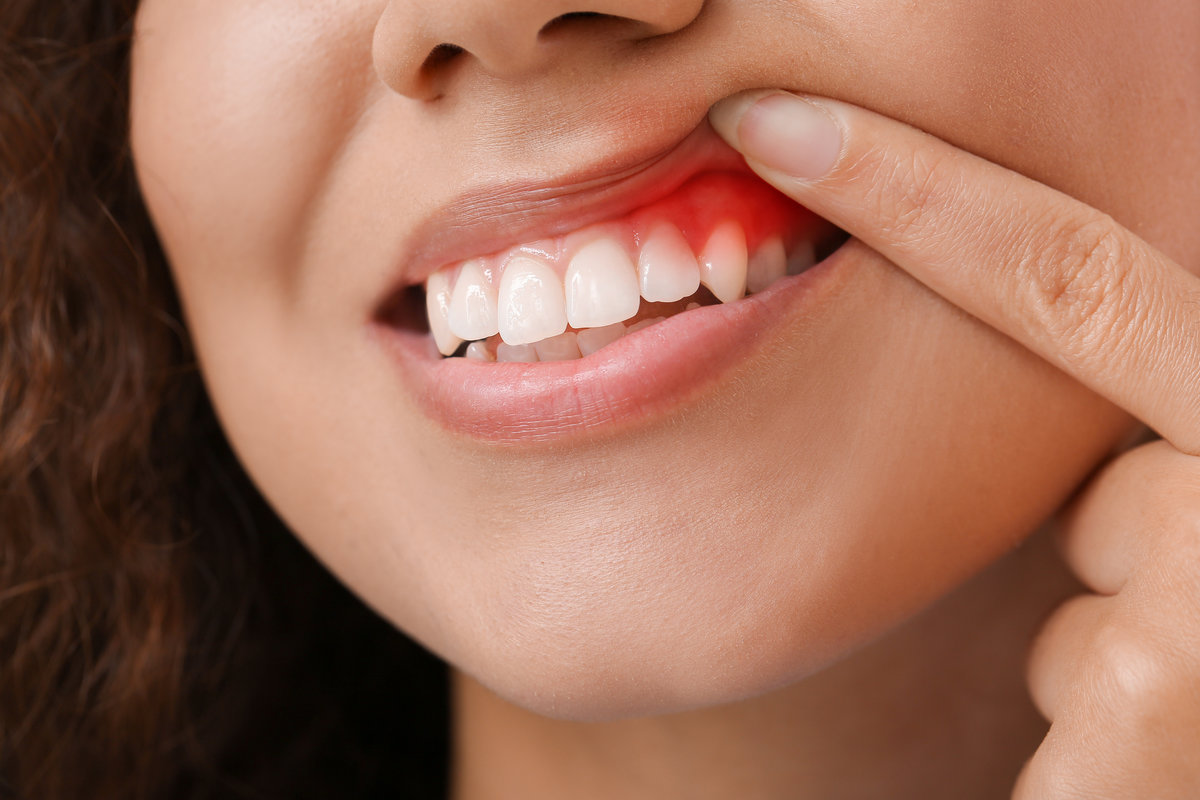
Gum disease often announces itself subtly. The most common early sign is bleeding when you brush or floss — something many people dismiss as normal, but which is actually your body signaling inflammation in the gum tissue. Other signs include gums that look red, swollen, or pulled away from the teeth (recession), persistent bad breath that doesn’t resolve with brushing, and a lingering unpleasant taste in your mouth. As the disease progresses to periodontitis, you may notice teeth that feel loose or have shifted position, deep pockets between the teeth and gums that collect bacteria, and bone loss visible on dental X-rays. If any of these sound familiar, a comprehensive evaluation is the right first step.

The appropriate treatment for gum disease depends on its severity. In early-stage gingivitis, the inflammation is confined to the gum tissue and is often fully reversible with a professional cleaning and an improved at-home hygiene routine. Dr. Sandhu will review your brushing and flossing technique, discuss any contributing factors such as diet or dry mouth, and schedule a follow-up to confirm the gums have responded.
When gum disease has advanced to periodontitis — meaning bacteria have migrated below the gumline and begun affecting the underlying bone — a deeper level of care is needed. Scaling and root planing, sometimes called a deep cleaning, removes tartar and bacteria from root surfaces below the gumline and smooths the root to make it harder for bacteria to reattach. For patients who have already completed active treatment, ongoing periodontal maintenance visits — typically every three to four months — help keep the disease in check and prevent recurrence.
Her educational foundation provides the scientific knowledge necessary for accurate diagnoses and effective treatments. However, Dr. Kupke understands that excellence in dentistry requires ongoing learning. Dental techniques and technologies evolve rapidly, and staying current with these advancements ensures patients receive the most effective care available.
To maintain this commitment to excellence, Dr. Kupke regularly participates in continuing education courses and professional development opportunities. These additional certifications and training sessions keep her at the forefront of dental innovation, allowing her to incorporate new approaches that improve patient outcomes and comfort.
The connection between oral health and overall health is well established: periodontal disease has been linked to increased risk of heart disease, diabetes complications, stroke, and adverse pregnancy outcomes. The bacteria responsible for gum disease are not confined to your mouth — they can enter the bloodstream and trigger systemic inflammation. Treating gum disease is not just about preserving your teeth; it’s an investment in your broader health. This is something Dr. Sandhu takes seriously and addresses proactively as part of every patient’s care plan.
Gingivitis — the earliest stage — is fully reversible with professional treatment and improved home care. Once gum disease has progressed to periodontitis and bone loss has occurred, that structural damage cannot be fully reversed, but the disease can be effectively controlled and stabilized with consistent care, preventing further loss. The sooner treatment begins, the better the long-term outcome.
Treatment is performed with local anesthesia as needed, and patient comfort is a priority throughout. Scaling and root planing typically involves some tenderness in the treated areas for a few days afterward, similar to what you might feel after a thorough dental cleaning — manageable with over-the-counter pain relievers and typically resolving quickly. Dr. Sandhu’s team will walk you through exactly what to expect at every step.
Mild gingivitis may be addressed in a single cleaning appointment. Scaling and root planing is typically performed in two visits — one per side of the mouth — to allow adequate time and minimize discomfort. Following active treatment, periodic maintenance visits become part of your regular care schedule.
Most dental insurance plans include at least partial coverage for periodontal treatment, including scaling and root planing, as it’s classified as a medically necessary procedure. Coverage specifics depend on your plan, and our team is happy to review your benefits before your appointment so you understand your out-of-pocket responsibility.
Ready to address your gum health? Schedule a periodontal evaluation with Dr. Sandhu or call us at (781) 630-9924. Early treatment makes all the difference.
We welcome new patients and look forward to helping you achieve a healthy, beautiful smile. Contact us today to schedule your consultation and start your dental care journey.