You open your eyes, and before you even get out of bed, it starts, a dull ache spreading from your jaw up through your temples, paired with a stiffness in your neck that follows you into the day. If this sounds familiar, you are likely dealing with the effects of nighttime grinding or clenching, two hallmark signs of a temporomandibular joint (TMJ) disorder that robs millions of people of restful sleep and pain-free mornings. The good news is that relief does not have to come from long-term medication or invasive procedures.
At Heart of Hingham Dental Aesthetics, Dr. Sandhu offers Botox therapy as a targeted solution for TMJ-related pain, and she brings both specialized training in facial aesthetics and a genuine passion for changing patients’ quality of life through this treatment. As part of our Botox services in Hingham, this is one of the most rewarding treatments we offer because the results speak for themselves, and patients feel the difference quickly.
Why Morning Pain Happens
The temporomandibular joint connects your jawbone to your skull and acts as a hinge for every bite, word, and yawn. When the muscles surrounding this joint are chronically overworked from grinding or clenching, they become tense, inflamed, and fatigued. Most people who grind their teeth do so while they sleep, which means the muscles responsible for chewing are working overtime during the hours when the rest of the body is trying to recover.
By morning, those overworked muscles signal distress in ways that feel anything but localized. Tension-type headaches, jaw soreness, neck stiffness, and even ear discomfort are all connected to the same root cause. For many patients, this cycle repeats every single day without a clear explanation or an obvious path to relief, especially if they have never connected their headaches to what their jaw is doing at night.
How Botox Interrupts the Cycle
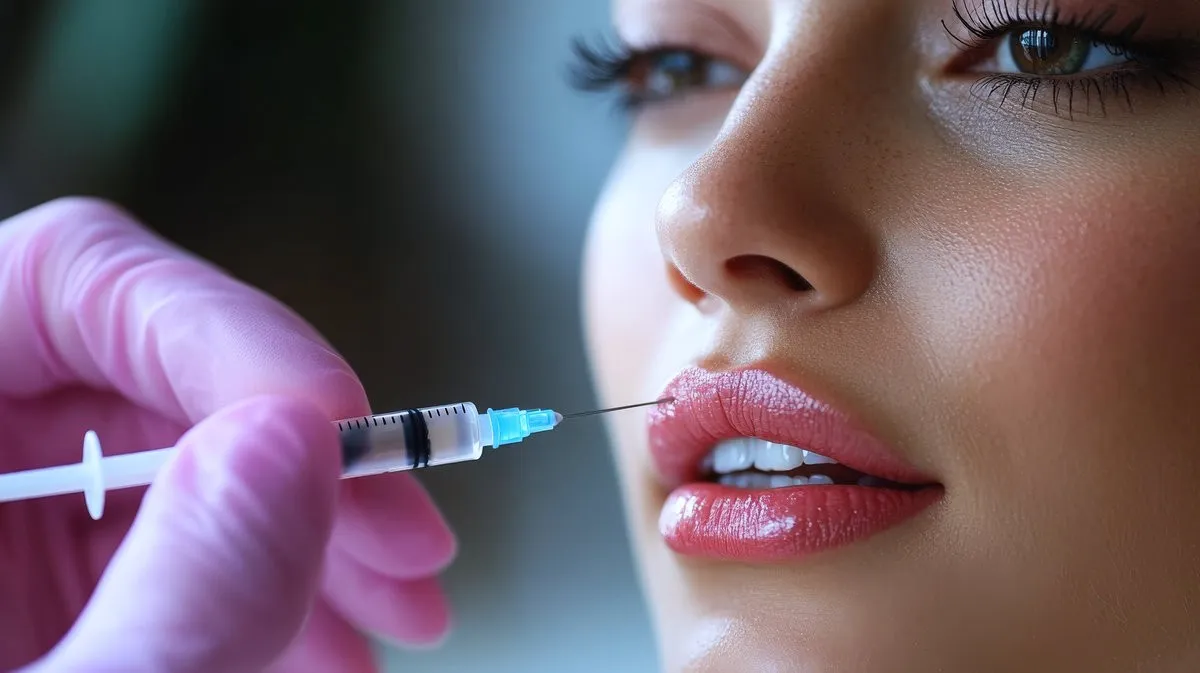
Botox works by temporarily relaxing the muscles into which it is injected. When administered into the masseter muscles, which are the powerful jaw muscles responsible for chewing and clenching, Botox reduces the intensity of involuntary muscle contractions without affecting your ability to eat, speak, or function normally. The muscle activity that causes grinding and its painful downstream effects is significantly diminished, and for most patients, relief begins within just a few days of treatment.
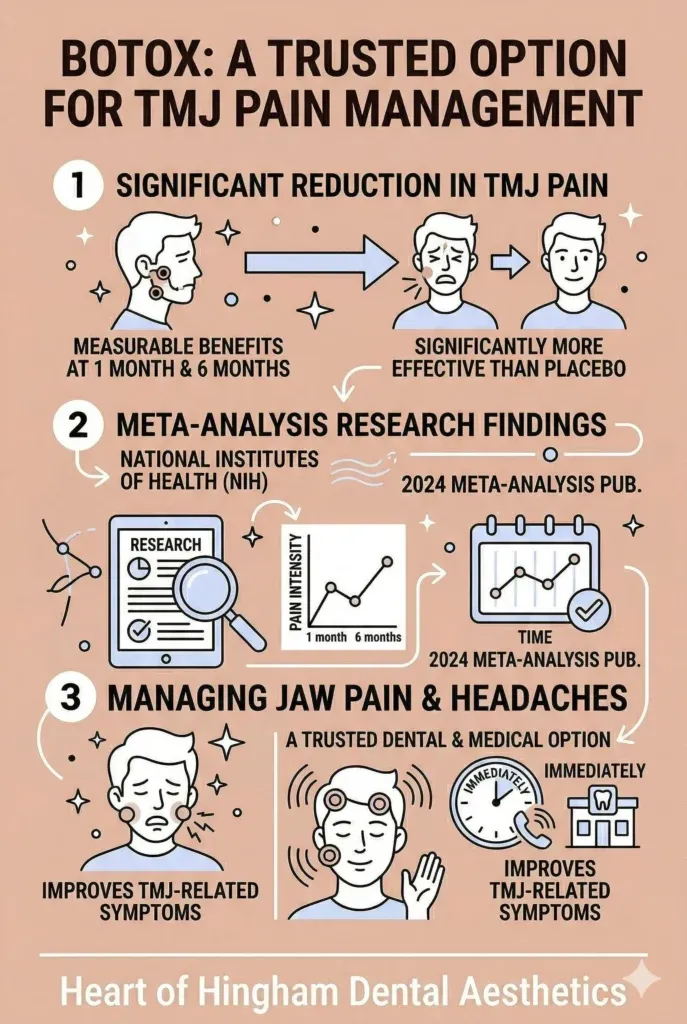
Research published in a 2024 meta-analysis through the National Institutes of Health found that Botox was significantly more effective than a placebo in reducing TMJ-related pain intensity, with benefits measurable at both one month and six months following treatment. This level of evidence speaks to why Botox has grown into a trusted option within the dental and medical communities for managing jaw pain and the headaches associated with it.
What to Expect During and After Treatment
The treatment itself is quick and comfortable. A few precisely placed injections into the masseter muscle are all that is needed, and most patients describe the experience as far less intimidating than they anticipated. There is no downtime, no recovery period, and no disruption to your day-to-day routine.
In the days that follow, the muscles gradually relax, and the symptoms begin to ease. Many patients notice a meaningful reduction in their morning headaches and jaw tension within the first week. Results typically last several months, after which a follow-up appointment can help maintain the relief.
This Is More Than a Cosmetic Treatment
It is easy to associate Botox solely with aesthetics, and while it does offer cosmetic benefits, such as softening the appearance of a squared jawline, its therapeutic applications run much deeper. For patients suffering from chronic jaw pain, TMJ disorders, and bruxism-driven headaches, this is a genuinely life-improving treatment. Sleep quality improves, morning routines become less painful, and the fatigue from constant jaw tension begins to lift.
This is precisely the kind of care that fits within our TMJ and Botox treatment approach at Heart of Hingham, which looks at the whole patient, not just individual teeth. Addressing TMJ pain connects directly to overall oral health because chronic grinding can also accelerate tooth wear, crack enamel, and lead to other structural concerns over time. A night guard can complement Botox therapy by providing an additional physical barrier against grinding during sleep.
Heart of Hingham Dental Aesthetics: Relief Starts Here
Dr. Sandhu completed specialized training in facial aesthetics and has developed real expertise in the therapeutic application of Botox for conditions like TMJ pain and bruxism. She approaches every patient with warmth, patience, and a commitment to making sure you fully understand your options before any treatment begins. When Dr. Sandhu describes what brings her the most professional joy, treating patients whose mornings are transformed after Botox therapy for TMJ is at the top of the list.
If you wake up every morning with a headache or jaw pain that follows you through your day, you deserve answers and a path forward. Heart of Hingham Dental Aesthetics offers free consultations, so there is no barrier to finding out whether Botox for TMJ might be the relief you have been looking for. Reach out to our team today to schedule your consultation and take the first step toward pain-free mornings.